What to Eat on a Nepal Trek: Calories, Dal Bhat and Trail Snacks
How much to eat on a Nepal trek, why dal bhat is the best trek fuel, what to snack on between teahouses, and how to keep eating at altitude.
On a trek in Nepal you will burn far more energy than on a normal day, and many trekkers do not eat enough to match it. The simple rule: eat a full meal at every teahouse, snack every 1 to 1.5 hours while walking, and keep eating even when altitude takes your appetite away. Dal bhat, the Nepali staple of rice, lentils and vegetables, is the best everyday fuel on the trail.
How many calories does a trek day burn?
A trek day is long, hilly walking, often with a pack. Using standard activity values from the 2024 Compendium of Physical Activities, a 70 kg trekker walking 6 hours on a hilly trail with a day pack burns about 3,300 kcal on the walking alone, before counting the rest of the day. Heavier people, heavier packs and steeper days burn more.
Put in your own weight and hours with our free trekking calorie calculator.
That is roughly double what many people burn on a normal day, which is why trekkers who eat their usual amount often feel weak by day three or four.
Why dal bhat is the trekker’s best meal
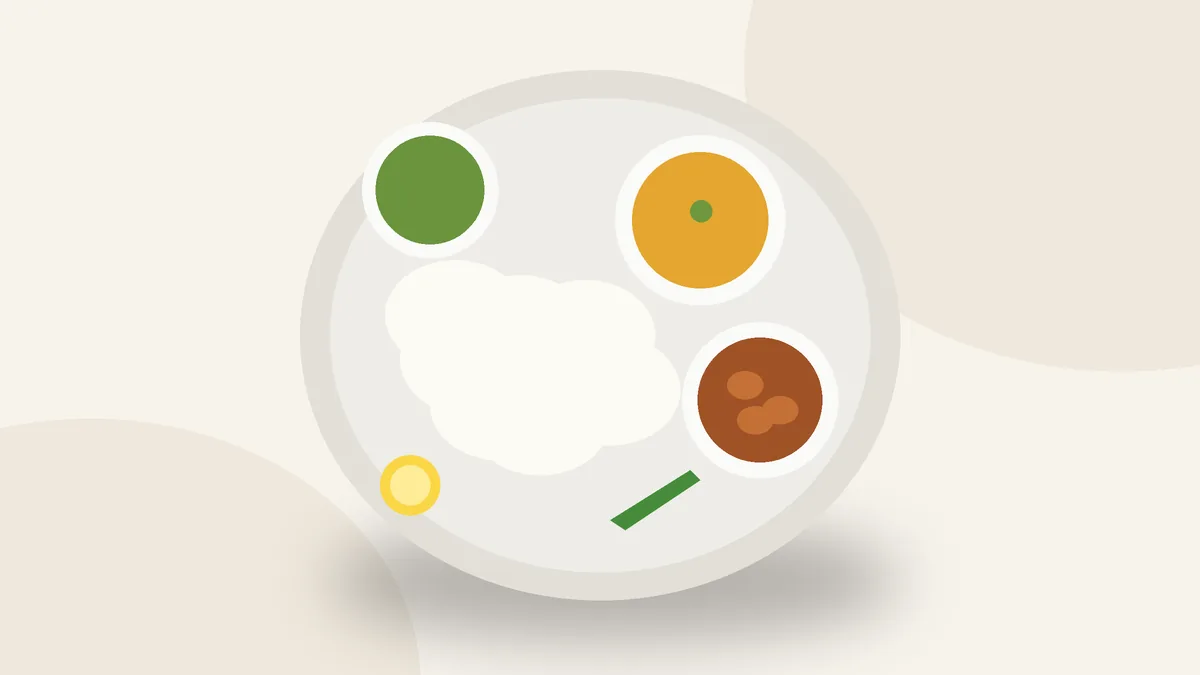
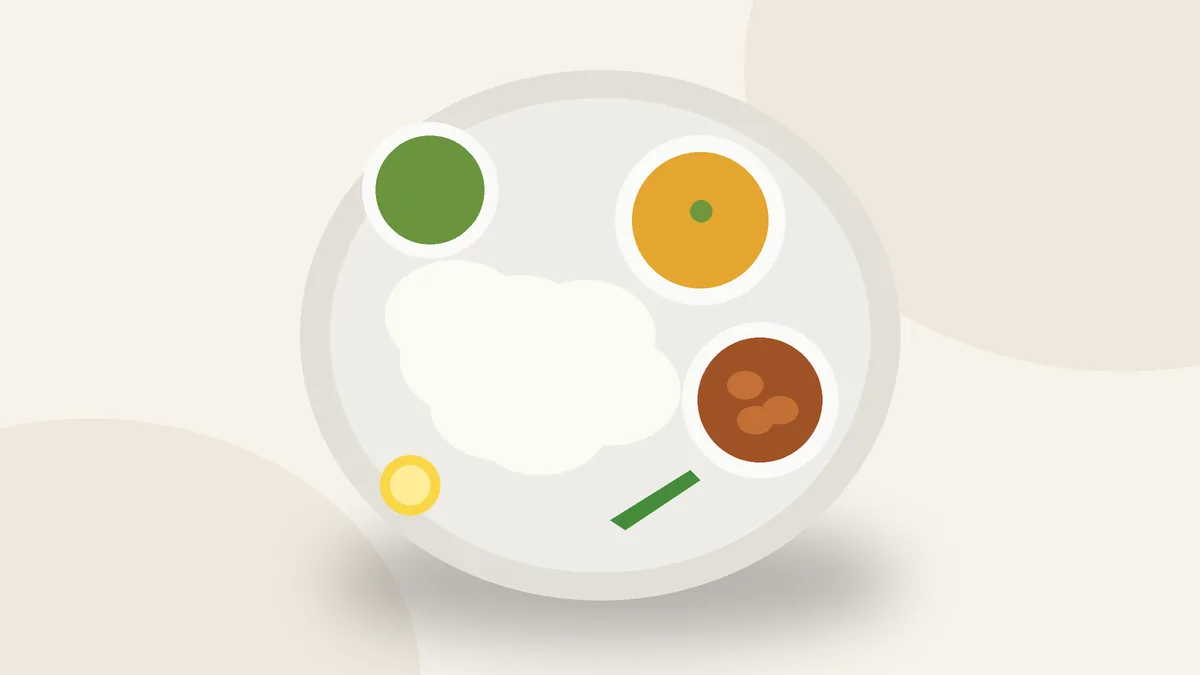
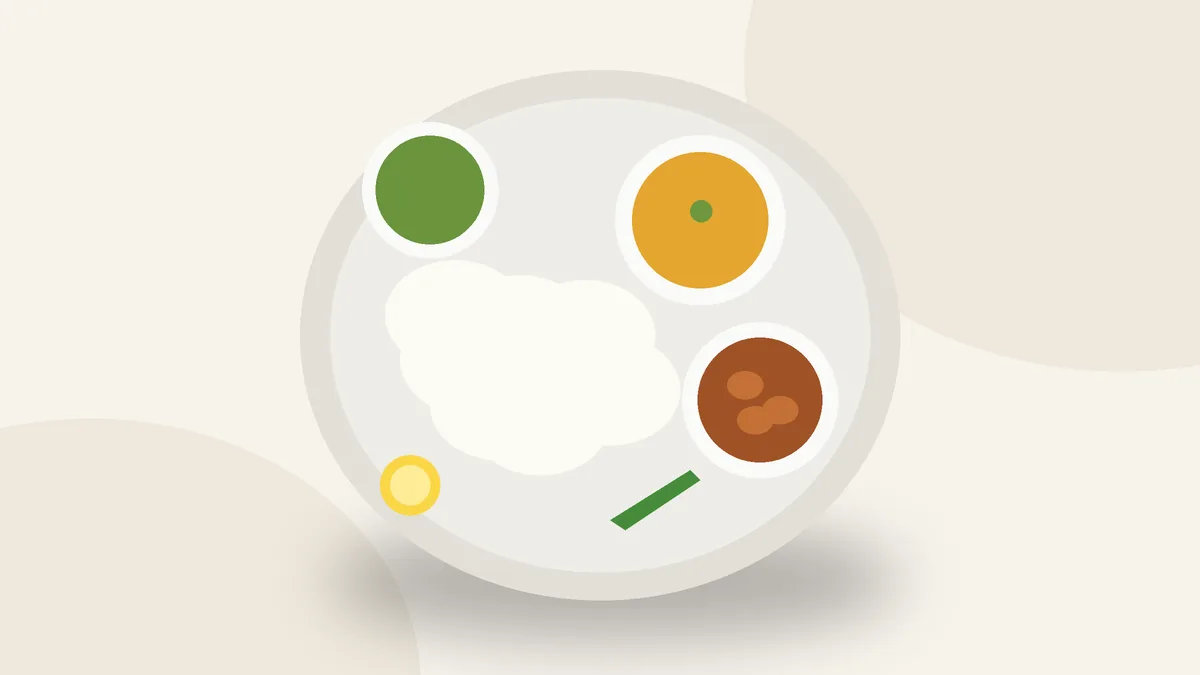
Trekkers say “dal bhat power, 24 hour” for good reason. A typical plate with rice, dal and saag gives about 794 kcal, 28 g of protein and 19 g of fibre (dal bhat calories), and teahouses often offer a second helping of rice and dal.
| Part of the plate | What it gives you on a trek |
|---|---|
| Rice (bhat) | Fast energy for climbing |
| Dal | Protein to repair tired legs, plus slow energy |
| Tarkari and saag | Vitamins, minerals and fibre |
| Achar | Flavour that helps when appetite is low |
It is also cooked fresh, which matters when you are worried about stomach upsets. Want the full numbers? See how much protein is in dal bhat.
A sample trek day
| Time | What to eat |
|---|---|
| Breakfast (teahouse) | Porridge or Tibetan bread with eggs, plus tea |
| Mid-morning | A snack from your bag: nuts, dried fruit or a chocolate bar |
| Lunch (on the trail) | Dal bhat, or noodle soup with an egg |
| Afternoon | Another snack, plus water |
| Arrival | Hot drink and a light snack |
| Dinner | Dal bhat, momo or a rice dish, with a second helping if you are hungry |
Best trail snacks to carry
Pack snacks that are light, high in energy and do not melt or crush:
- Peanuts and other nuts: one handful (28 g) of peanuts is about 164 kcal and 7 g of protein (peanut calories).
- Dried fruit: quick energy for steep sections.
- Chocolate and energy bars: buy most of them before you start; prices rise as you go higher.
- Biscuits and crackers: easy to eat when you do not feel hungry.
- Boiled eggs from the teahouse, for the next morning’s walk: about 6 g of protein each (egg calories).
- Bananas in lower villages: about 105 kcal for a medium one (banana calories).
Eating when altitude takes your appetite
Many trekkers lose their appetite higher up. Try these:
- Eat little and often instead of forcing big meals.
- Choose soft, warm foods: soups, porridge, noodle soup, rice.
- Do not skip breakfast, even if you only manage half.
- Keep sweet snacks handy: they are easy to eat when nothing else appeals.
Loss of appetite with a headache, nausea or dizziness can also be a sign of altitude sickness. Read altitude sickness on Nepal treks and tell your guide.
Water on the trek
Drink regularly through the day, not only when thirsty. Hot tea and soups count too. Use our water intake calculator as a starting point, then add more on long or hot days. Treat or filter your water, or buy boiled water at teahouses, to avoid stomach problems.
Food safety tips
- Eat freshly cooked hot food. Dal bhat is usually the freshest dish on the menu.
- Be careful with salads and raw food higher up.
- Wash or sanitise your hands before every meal.
- Meat is often carried up by porters for days, so many trekkers eat vegetarian above the lower villages.
Getting ready before you go
Your food on the trek fuels your legs, and your training before the trek builds them. If you have not started training yet, follow our 8-week trek plan for flat countries or the Everest Base Camp training plan.
Frequently asked questions
How many calories should I eat on a trek?
Most trekkers need much more than usual: a 70 kg person walking 6 hilly hours with a day pack burns about 3,300 kcal on the walking alone. Use the trekking calorie calculator for your own estimate, and eat at every meal.
Is dal bhat good for trekking?
Yes. A typical plate gives about 794 kcal and 28 g of protein, it is cooked fresh, and refills are common. It is the most popular trek meal for good reason.
Should I bring snacks from home or buy them in Nepal?
Both work. Kathmandu and Pokhara have plenty of nuts, dried fruit, chocolate and bars. Buy most before you start, because prices rise along the trail.
Can I lose weight on a trek?
Many people do lose a little, but trying to diet on a trek is a bad idea. Low energy makes you tired and cold and more likely to slip. Eat enough and save weight loss for home.
Is it safe to eat meat on a trek?
Lower down it is usually fine. Higher up, meat may have been carried for days, so many trekkers choose vegetarian meals like dal bhat, eggs and noodle soup.
Sources
- 2024 Adult Compendium of Physical Activities: walking and hiking (Herrmann et al., 2024)
- Altitude illness factsheet (TravelHealthPro)
- Food values from USDA FoodData Central, as shown on our food calorie chart
General information, not medical advice. If you have diabetes, a food allergy or another medical condition, plan your trek food with your doctor.
General information, not medical advice. Ask a doctor if you have a health condition. Results vary from person to person.
Comments
Loading comments…